
Eight suites that run the whole school
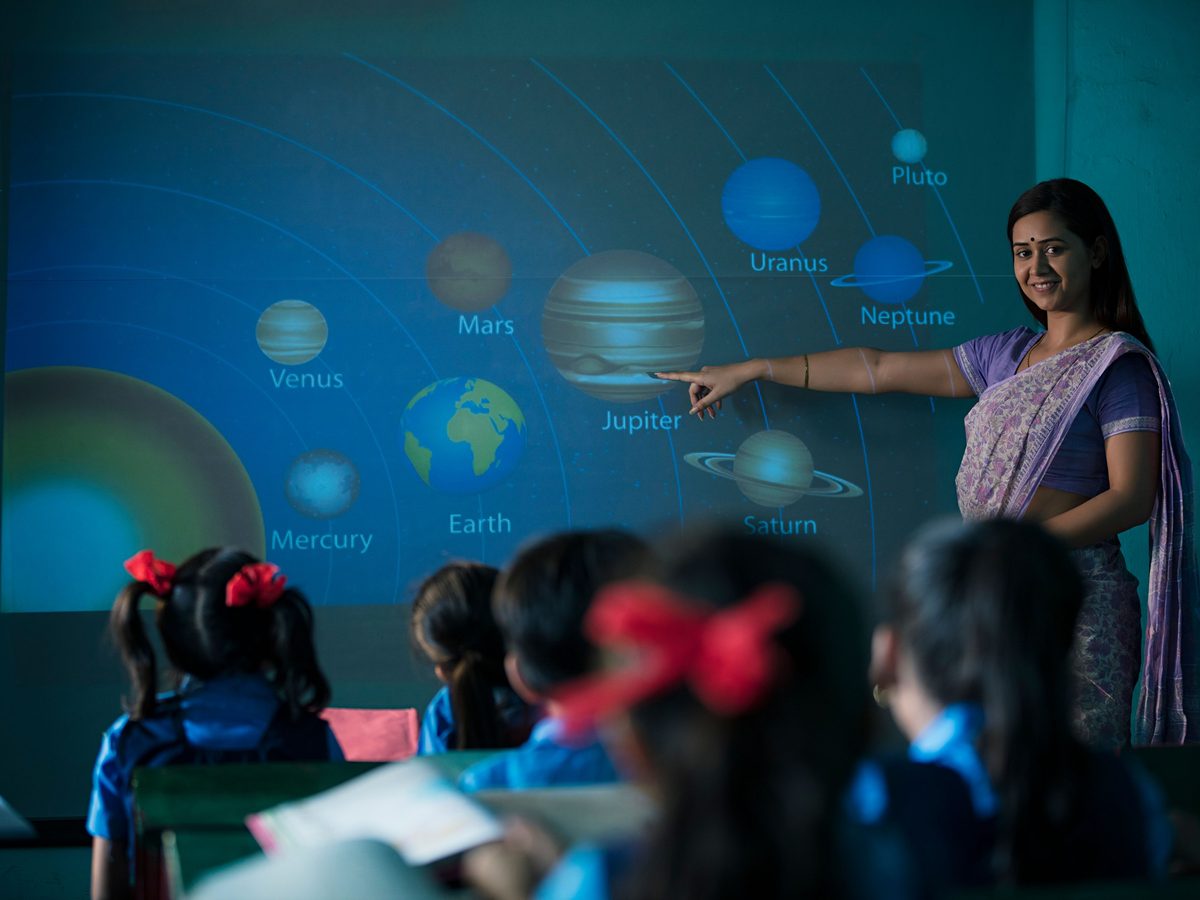
Teacher first: 10+ AI tools with CBSE and ICSE content
Explore Assist →
From the first doubt to the chapter exam, one connected path
For Class 3 to 12, CBSE and ICSE, with JEE and NEET for Class 11 and 12. Every chapter in four steps.
Where would you like to sign in?
School login
For staff and admins · app.schoolcanvas.com
Student login
For students · student.schoolcanvas.com
Popular with schools
Popular with students and parents
HPC report card: a practical guide for junior grades
The Holistic Progress Card asks teachers to describe how a child learns, not only what they scored. A practical guide to collecting observations through the term so the HPC is not a last-week rush.

On this page
The Holistic Progress Card, or HPC, asks teachers to describe how a child is growing, not only what they scored. Most teachers like the idea. What worries them is the work: thirty-five children, several areas of development, and comments that have to be specific rather than “good” or “needs improvement”. This guide explains what the HPC records, how schools use it, and how to collect what you need through the term so the report is not written in the last week.
What the Holistic Progress Card is
The HPC comes from the National Education Policy 2020, which called for a report card that looks at the whole child. PARAKH, the assessment centre set up under NCERT, has published model HPC formats for the foundational, preparatory and middle stages, and CBSE encourages its schools to adopt or adapt them. Schools can shape the format to their own classes and grading.
Where a traditional report card shows marks by subject, an HPC typically covers:
- Learning in each subject, described as what the child can do, often against learning outcomes.
- Social and emotional growth, such as working with others, managing feelings and taking responsibility.
- Physical development and well-being, including play, sport and health.
- Creativity and interests, from art and music to curiosity and problem solving.
- Several voices, usually the teacher’s observations, the child’s own self-assessment, feedback from classmates, and inputs from parents.
Who uses it, and where
Among the schools we work with, the HPC is used mainly in junior grades, where observation-based reporting fits naturally. Some schools extend it up to Grade 8. Many start with one or two classes, learn what works, and widen it the next year. There is no single right way, and a school does not need to move every class at once.
The real problem: everything lands in the last week
A teacher at our example school, Green Valley Public School, teaches Class 2B with 34 children. If she tries to recall each child’s teamwork, confidence and creativity in the week before reports are due, the comments come out vague and alike. The fix is to collect small observations regularly, so the report is mostly written before term ends.
Collecting observations through the term
1. Decide what to observe, and when
Agree at the start of term which areas each teacher will focus on in which weeks. One area every two weeks is manageable. The table below shows one way to spread the work over a term.
| Weeks | Focus | Evidence to note |
|---|---|---|
| 1 to 2 | Settling in, routines, speaking in class | Two lines per child |
| 3 to 4 | Language and reading | Reading level, a short sample of writing |
| 5 to 6 | Number sense and problem solving | How the child explains an answer |
| 7 to 8 | Working with others | Notes from a group activity |
| 9 to 10 | Creativity, art, music, play | A photo of work or a performance note |
| 11 to 12 | Self-assessment and parent inputs | The child’s own sheet, parent feedback form |
2. Watch five children a day, not thirty-five
Divide the class into groups of five to seven. Each day, pay closer attention to one group and write one or two lines for each child. Over a week, every child gets noticed at least once in each focus area.
3. Write what you saw, not what you think
“Ria counted the blocks twice to check her answer” is more useful than “Ria is careful”. Observations like this turn into specific report comments later and give you something concrete to share at the PTM.
4. Use simple rubrics
A three- or four-level scale (for example beginning, developing, proficient, advanced) keeps teachers consistent across sections. Agree on what each level means with a short example, so two Class 2 teachers rate the same behaviour the same way.
5. Bring children and parents in
Young children can fill a simple self-assessment with pictures or smileys: “I can read a short story on my own”. A short parent form asks what the child enjoys at home and what they find hard. These inputs give the HPC its fuller picture and often explain what a teacher sees in class.
Writing comments parents understand
Good HPC comments name a strength, give a specific example and suggest a next step. A few patterns:
- “Aarav reads short stories aloud with confidence and enjoys acting out the characters. Next, we will work on reading new words by breaking them into sounds.”
- “Meera explains how she solved a sum using objects. She is ready to try two-step problems, and practice at home with coins or buttons will help.”
- “Kabir has started joining group games and waits for his turn. Encouraging him to share what he made in class will build his confidence further.”
Avoid labels such as “weak” or “slow”, and avoid comparing children with classmates. Parents should finish reading the comment knowing one thing to do at home.
Sharing the HPC with parents
The HPC works best as the start of a conversation. Share it before or during the PTM, and use the observations you collected as examples. If a parent sees “developing” in social skills, they will want to know what that looks like in class and how they can help.
How Schoolcanvas supports the HPC
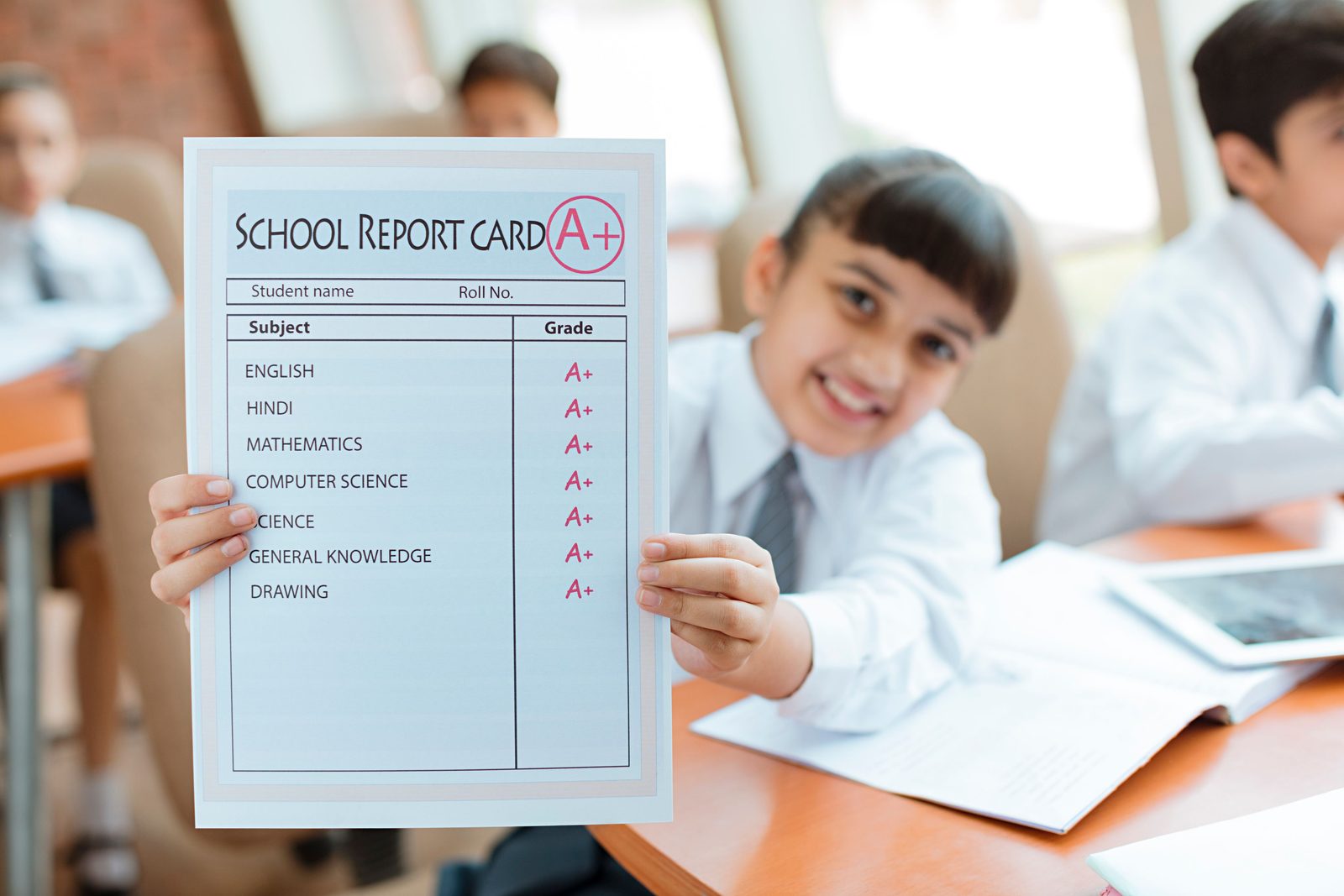
Schoolcanvas includes a dedicated HPC report card, and like every report card in Schoolcanvas it is built to the school’s own format, with your logo, grading and sections. Teachers enter marks and observations once in their own login, and the report card fills in from them. Report cards are published to parents on the app. Schools can run the HPC in junior classes and keep their usual report card in senior classes on the same system. More on our HPC and report card software, and for the wider picture of marks entry and analysis, see the Student Management page.
If you are planning to introduce the HPC, bring your sample format to a free demo and we will show it set up on Schoolcanvas.
Common questions.
What is an HPC report card?
The Holistic Progress Card is a report card format that came out of NEP 2020. It describes a child’s learning, social and emotional growth, physical development and creativity, using inputs from the teacher, the child, classmates and parents.
Which classes use the HPC?
Among Schoolcanvas schools it is used mainly in junior grades, and some schools use it up to Grade 8. Many schools start with a few classes and extend it later.
Can we use our own HPC format?
Yes. Every Schoolcanvas report card, including the HPC report card, is built to the school’s own format and grading.
How can teachers avoid a last-minute rush?
Collect short observations through the term: one focus area every two weeks, a few children each day, and simple rubrics. By the end of term most of the report is already written.
Where this lives in the product.


Talk to us about your school.
A 45-minute walkthrough with a school software specialist, tailored to your board, size and processes. We’ll call you within 4 working hours to fix a time.
Your free demo can cover
- Your own data, formats and processes
- The modules you need, from admissions to fees
- The apps for parents, teachers and staff
- Assist, the AI LMS for your teachers
- A setup plan and a quote for your school
- Call back in 4 working hours
- Free data migration
- 1-month free trial
Book my free demo
Takes 30 seconds. No commitment.